



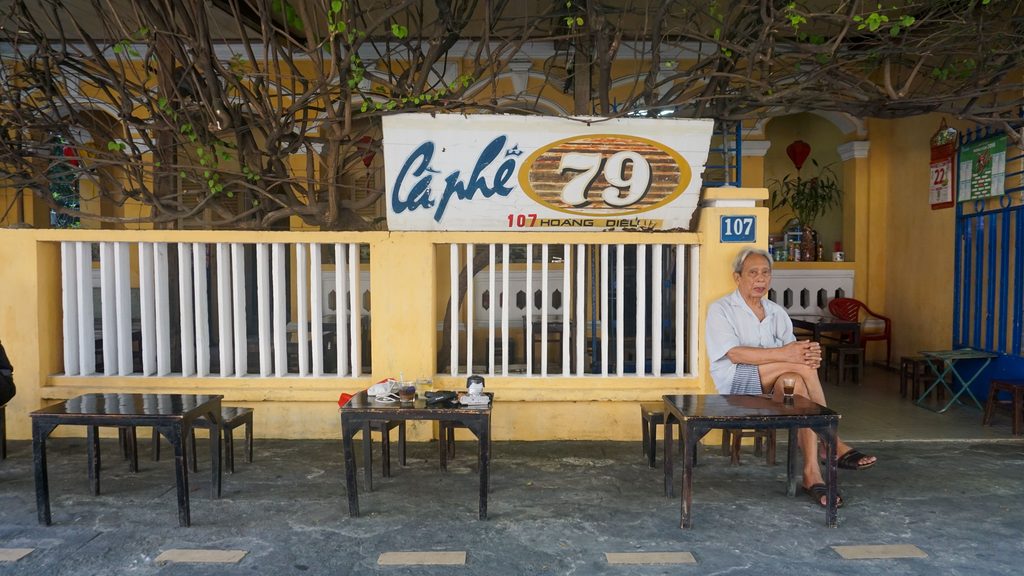
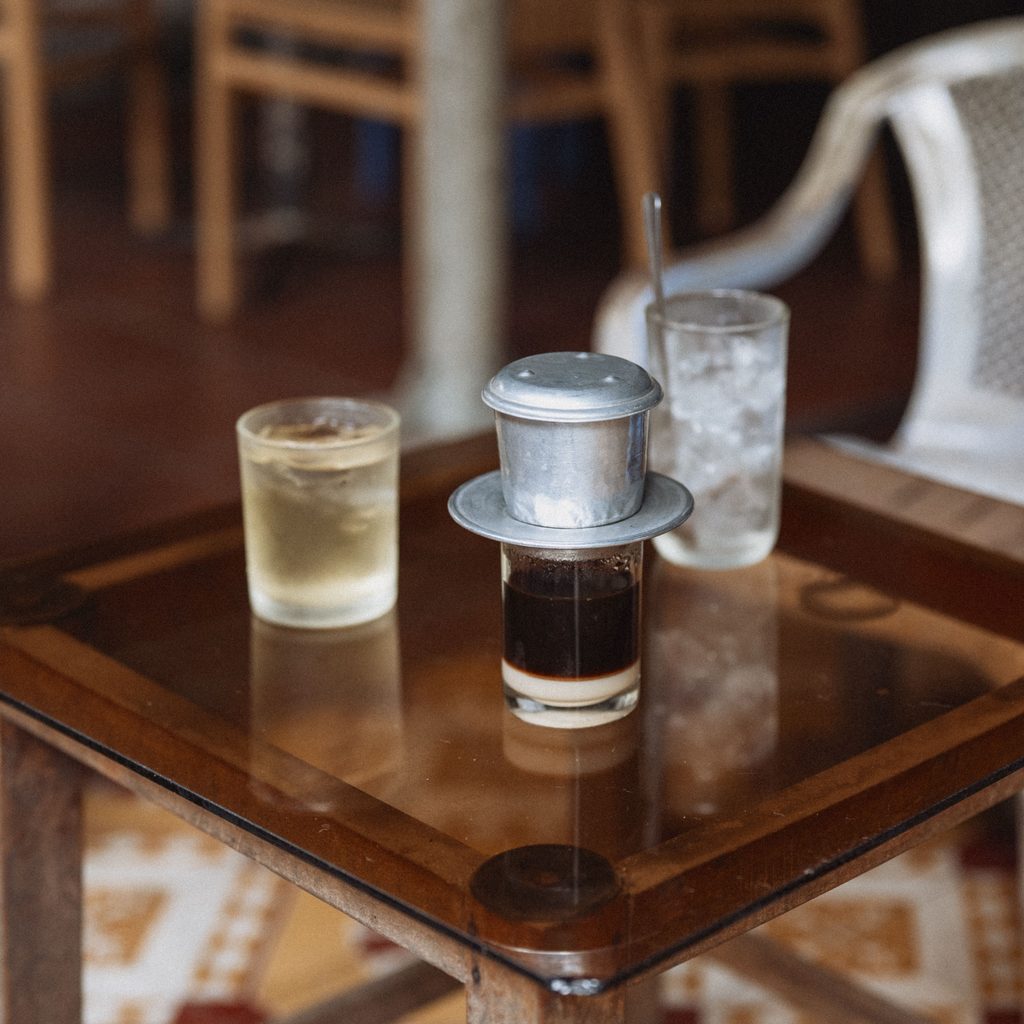
Living in Vietnam, going out for coffee is one of life’s great pleasures. There are countless cafés and drinks to choose from, yet the classic Vietnamese coffee experience remains instantly recognisable. You sit outside, watching the street go by. A metal phin rests on top of the glass. The coffee drips slowly. Condensed milk waits at the bottom, with a glass of ice nearby if the day is particularly hot. Nobody seems in a hurry. It feels as though Vietnam has always done coffee this way.
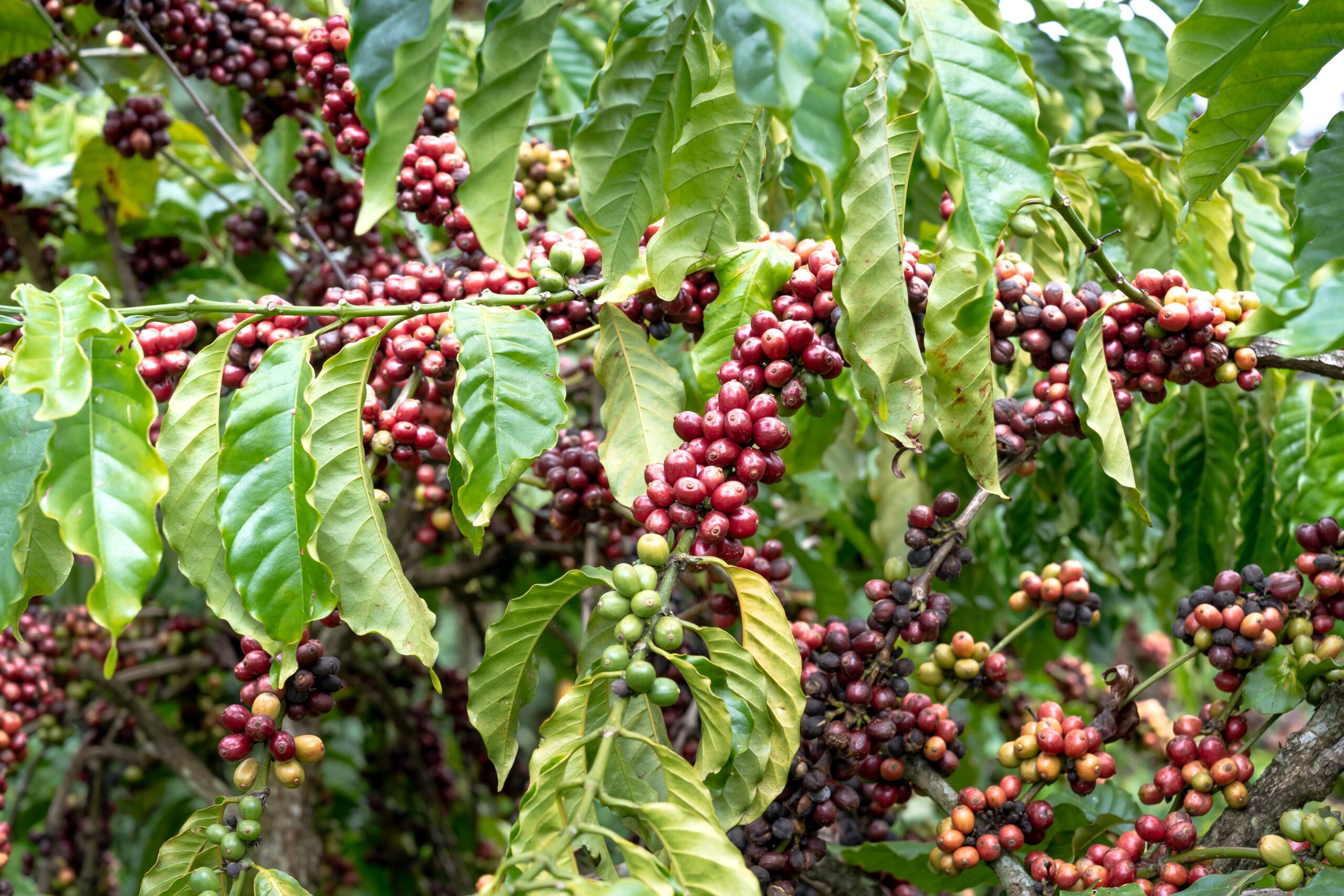
Of course, every tradition has a beginning. Coffee first arrived in Vietnam in the nineteenth century, brought by French missionaries. The robusta bean that dominates Vietnamese coffee today was introduced later and proved exceptionally well suited to the climate and soils of the Central Highlands. What followed was one of the most successful agricultural transformations of the modern era.
Over the past four decades, Vietnam has transformed coffee from a colonial crop into one of the country’s great economic success stories. In 1986, after more than a century of cultivation, Vietnam produced just 18,400 tonnes of coffee a year. Today it is the world’s second-largest producer, responsible for roughly a fifth of global supply and around 40 per cent of all robusta coffee.
The story behind that transformation runs through colonial plantations, post-war reforms, and one of the stranger episodes of the Cold War. It involves a country that desperately needed coffee, another that desperately needed investment, and an agreement signed by a state that disappeared before it could enjoy the harvest.
The arrival of coffee
A French Catholic missionary brought the first arabica plants here in 1857, a year before France formally colonised the country. They were planted on church grounds in the northern provinces: Ninh Bình, Thanh Hóa, Nghệ An and Hà Tĩnh. The first commercial plantations followed in 1888.
Arabica proved a poor fit. It prefers altitude and cool nights, and struggles in tropical heat. In 1908 the French introduced robusta and excelsa. Robusta thrived in the Central Highlands: volcanic soil, warm temperatures, reliable rainfall and resistance to the leaf rust that devastates arabica crops.
By the 1920s the colonial administration was opening plantation zones across the highlands, particularly in Đắk Lắk. The region has remained Vietnam’s coffee heartland ever since. Then history intervened. War disrupted production. After reunification, coffee was collectivised alongside much of the economy, and output stagnated. By 1986 Vietnam had around 50,000 hectares under cultivation, producing roughly 18,400 tonnes annually. After 130 years of growing coffee, the country barely registered on world markets. The breakthrough came from an unlikely place: East Germany.
A country that could not buy coffee
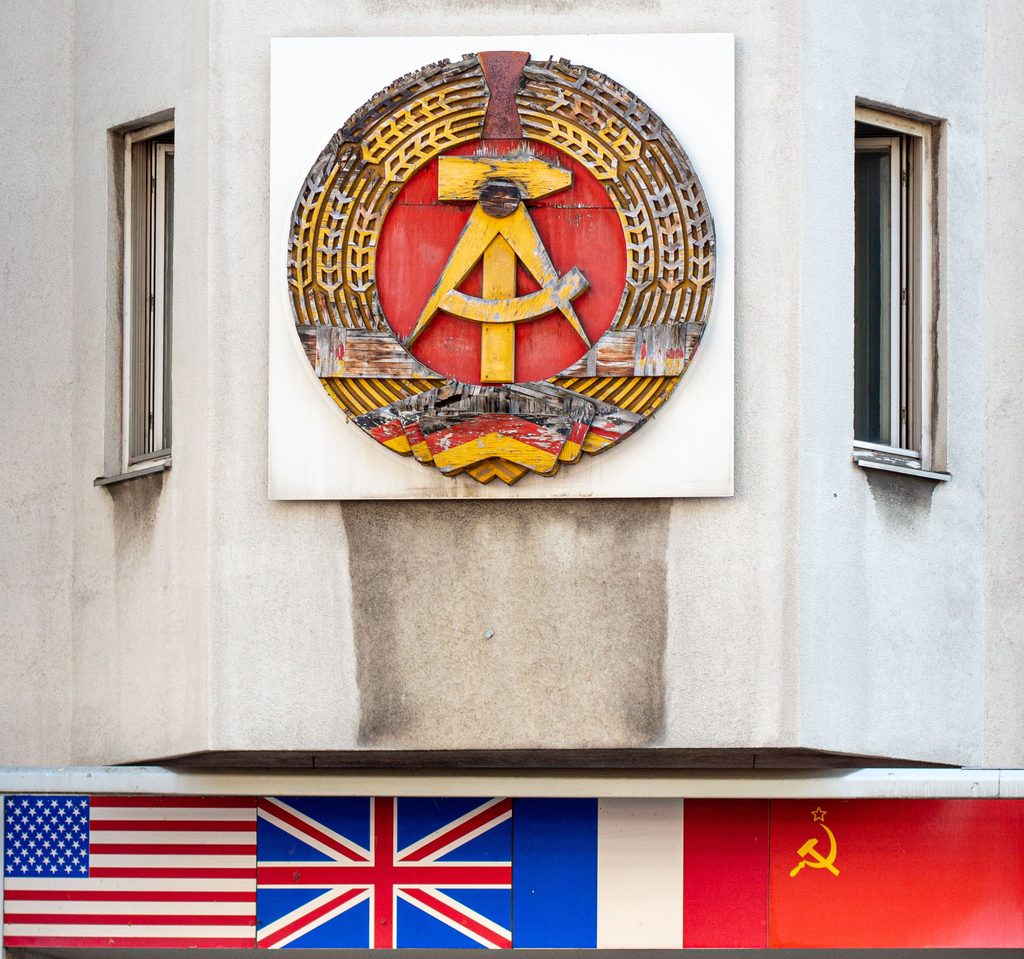
East Germans drank a great deal of coffee. Coffee was what you served guests. It sat on Christmas tables and Easter tables. It was woven into daily life. The problem was that the German Democratic Republic had no way to grow it.
Coffee traded in hard currency, and East Germany was perpetually short of it. Every sack of imported beans competed with oil, machinery and industrial equipment for scarce foreign exchange.
Politics made matters worse. For much of the post-war period, West Germany sought to isolate the East through the Hallstein Doctrine. The Soviet Union had supplied coffee early on, but stopped exports in 1954. East Germany increasingly found itself buying coffee on world markets with money it could barely spare. The arrangement worked as long as coffee stayed cheap. Coffee did not stay cheap.
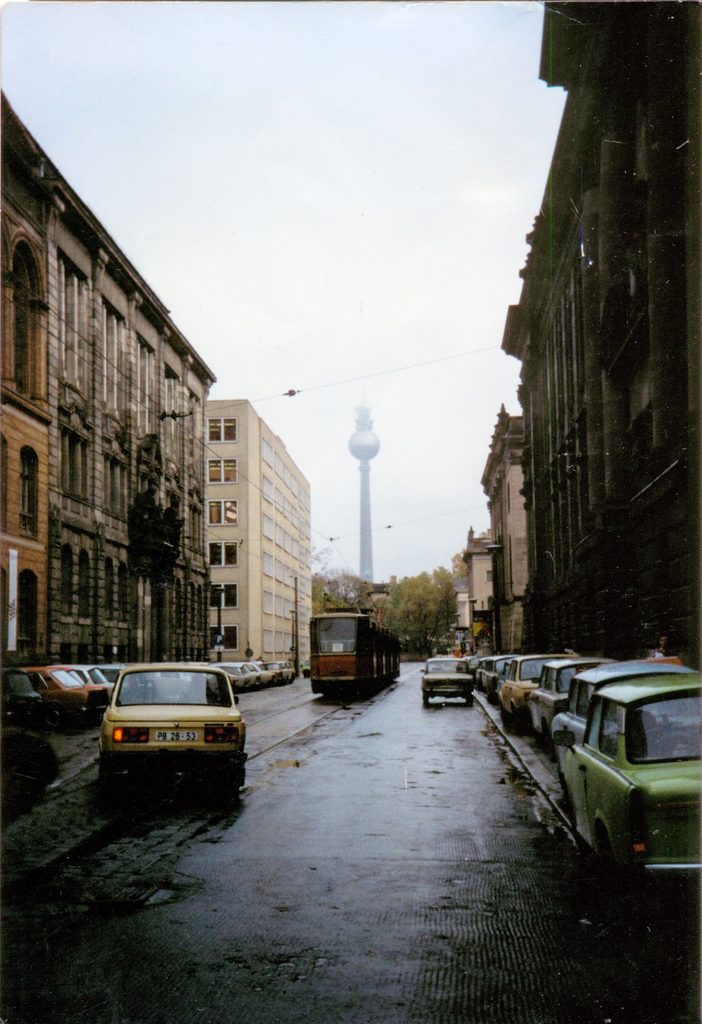
Muckefuck, and the year the coffee ran out
A severe frost devastated Brazil’s coffee harvest in the mid-1970s. Global prices exploded. By 1977 the International Coffee Organization price had more than tripled to $2.29 per pound, while the oil crisis was hitting the same state budget. East Germany suddenly found itself spending close to 700 million marks on coffee. The solution was Kaffee-Mix. Officially, it was coffee. In practice it was only 51 per cent coffee, bulked out with chicory, rye, sugar beet and pea flour. Germans had seen this before. Ersatz coffee had appeared during both world wars, and the old nickname for it, Muckefuck, remained in common use.
The public hated it. Consumers immediately compared it to wartime shortages. They nicknamed it Erichs Krönung, a jab at East German leader Erich Honecker and a parody of the popular West German brand Jacobs Krönung.
A severe frost devastated Brazil’s coffee harvest in the mid-1970s. Global prices exploded. By 1977 the International Coffee Organization price had more than tripled to $2.29 per pound, while the oil crisis was hitting the same state budget. East Germany suddenly found itself spending close to 700 million marks on coffee. The solution was Kaffee-Mix. Officially, it was coffee. In practice it was only 51 per cent coffee, bulked out with chicory, rye, sugar beet and pea flour. Germans had seen this before. Ersatz coffee had appeared during both world wars, and the old nickname for it, Muckefuck, remained in common use.
The blend had another problem. The pea flour expanded under heat and pressure, clogging coffee machines across the country. By the end of 1977 the government had received around 14,000 written complaints. The experiment was abandoned.
A government that cannot provide coffee has a political problem. East Germany went looking for a solution that did not require hard currency. That meant finding a socialist country that could grow beans.
Kombinat Việt–Đức
Vietnam in the late 1970s looked ideal. The war had ended. The country was devastated, short of investment and eager for development. Yet the Central Highlands offered exactly the growing conditions robusta coffee needed. Honecker visited Hanoi in 1977. Negotiations followed. A cooperation agreement was signed in August 1980, followed by a second treaty in 1986.
The arrangement was straightforward. East Germany would help build Vietnam’s coffee industry. In return, Vietnam would supply half of its coffee production to the GDR for twenty years. No hard currency would change hands.
The scale of the investment was substantial. Around 10,000 hectares were cleared in Đắk Lắk. East Germany supplied lorries, agricultural machinery, irrigation equipment and improved coffee varieties. Roads were built. A hydroelectric plant was constructed. Agronomists and specialists arrived to oversee the work. Total investment approached $20 million. The project became known as the Việt–Đức combine, the Vietnamese-German combine.
East Germany was not alone. The Soviet Union signed its own coffee agreement in Đắk Lắk, while Czechoslovakia backed development in neighbouring Kon Tum. Neither project approached the German effort in scale.
More than coffee
The investment extended beyond coffee. Schools, clinics, housing and power infrastructure followed. Training programmes ran in both directions. Vietnamese workers learned agricultural techniques and machinery operation, while tens of thousands travelled to East Germany as contract workers.
The Vietnamese population of the GDR grew from 2,482 people in 1980 to more than 59,000 by 1989. That migration helped lay the foundations of the substantial Vietnamese community found in Germany today.
The other side of the story is harder to tell. Someone had to work those newly cleared plantations, and people were moved to do it. Coffee development became part of Vietnam’s New Economic Zones programme. By 1977 up to 75,000 people had been resettled into Đắk Lắk. By 1996 the figure exceeded 300,000.
The highlands were not empty land. They were home to indigenous communities whose connection to the region long predated colonial plantations or socialist development projects. Most new arrivals were Kinh migrants from the lowlands. By 1989 they made up around 70 per cent of Đắk Lắk’s population.
Recent scholarship has described the process as development through dispossession and questioned who exactly benefited from a project presented as mutual aid. That debate deserves to remain part of the story.
The harvest arrives
Coffee trees take time. Everyone involved understood that the plantations would require years before reaching full production. That was why the agreement was designed to last two decades. The first major harvest arrived in 1990. By that time, the German Democratic Republic was gone.
The Berlin Wall had fallen the previous year. German reunification followed on 3 October 1990. The state that cleared the land, supplied the machinery, trained the workers and financed the project ceased to exist before it could receive most of the coffee it had paid for. Vietnam inherited the plantations, the infrastructure, the expertise and the harvest.
Historian Katja Hoyer argues that this timing explains why the story is so little known. The project disappears into the broader collapse of East Germany. At the same time, discussing a successful GDR development programme can still provoke political discomfort in modern Germany. Yet many of the specialists involved remained proud of the work itself, regardless of their views of the regime that sent them.
It remains one of the stranger legacies of the Cold War: a major development project funded by a country that vanished before collecting the returns.
From 50,000 hectares to a fifth of world supply
East German investment alone did not create Vietnam’s coffee boom. The decisive second ingredient was Đổi mới, the economic reform programme launched in 1986. Collectivised agriculture was dismantled. Farmers gained the freedom to grow and sell for themselves.
The timing was perfect. The combine had already demonstrated that robusta could be grown at scale in the Central Highlands. It had built roads, irrigation systems, power infrastructure and a trained workforce. Đổi mới supplied the incentive to expand. Farmers moved into the highlands in vast numbers throughout the 1990s. Production grew by 20 to 30 per cent annually for much of the decade.
Vietnam overtook Colombia and became the world’s second-largest coffee producer behind Brazil. It has remained there ever since. Today the country produces roughly a fifth of the world’s coffee and around 40 per cent of global robusta supply. Coffee is one of Vietnam’s most valuable agricultural exports, worth billions of dollars annually. If you have drunk instant coffee, supermarket espresso blends or chain café coffee almost anywhere in the world, there is a good chance you have already tasted Vietnamese beans.
An unlikely legacy
The Vietnamese coffee industry is one of the great agricultural success stories of the modern era. East German investment helped lay the foundations, while Đổi mới provided the conditions for extraordinary growth.
As a German, I find the final irony difficult to ignore. The first major harvest arrived just as East Germany disappeared from the map. In Germany today, the GDR is largely remembered as a failed experiment that devolved into a surveillance state. Yet history is rarely that simple, and stories like this deserve to be told more often.
So I raise my glass of Vietnamese robusta to the agronomists, engineers, technicians and workers who helped get the story started, and to everyone who grows, roasts and serves it today!